

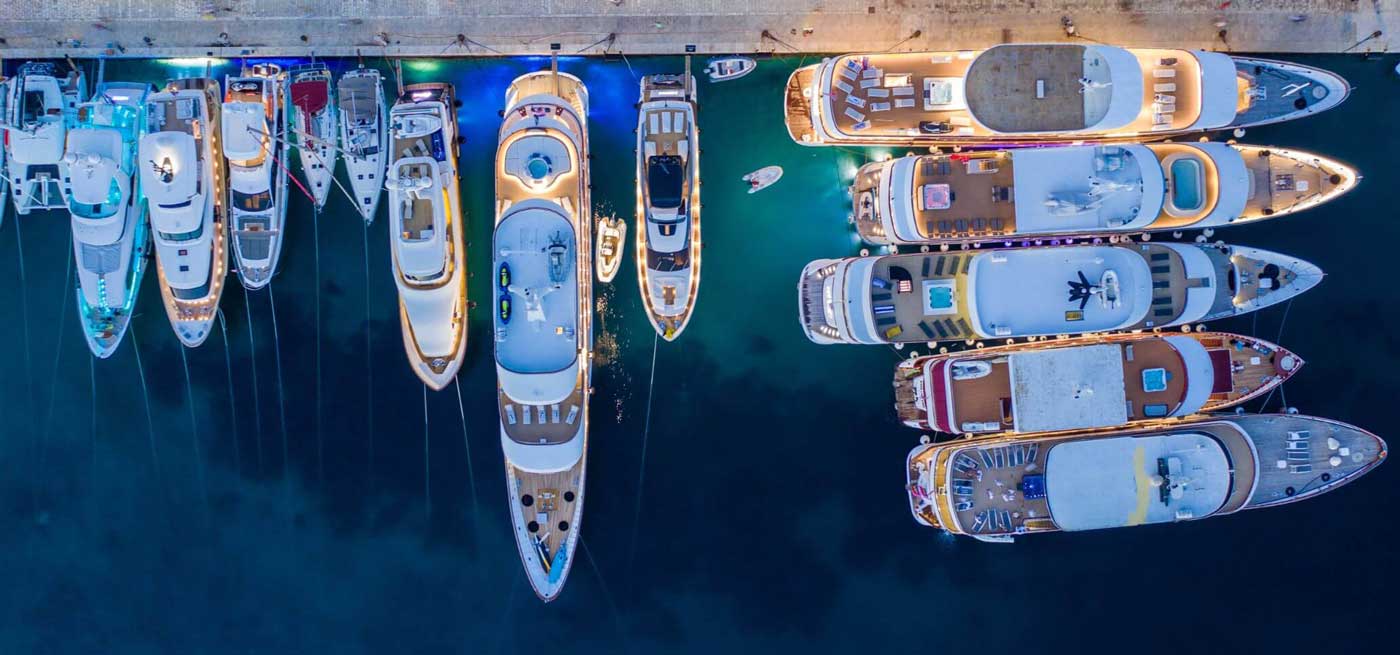
Practical guide for converting feet to meters and vice versa for beginner sailors
When a future yacht owner first encounters maritime measures of length, they may feel like they have entered a parallel universe. Why is length indicated in feet? Where did these strange proportions come from? And how to avoid getting confused with the numbers when choosing their first vessel from Navi.training?
History of Maritime Measurements
The tradition of measuring vessels in feet dates back to the age of great geographical discoveries. At that time, the British merchant fleet dominated the seas, and its standards became de-facto international. The English foot, equal to 30.48 centimeters, turned out to be a surprisingly practical unit of measurement for shipbuilders: it approximately corresponded to the length of the average male step, allowing for a quick 'eyeball' assessment of a vessel's dimensions.
Convenient table for converting feet to meters and centimeters and back
Note: Values are rounded to two decimal places.
Simple rules for converting feet to meters and back
If you want to convert meters to feet, remember that 1 meter is approximately equal to 3 feet. This basic rule allows for quick approximate calculations: multiply the number of meters by 3 to get the value in feet. For example, 5 meters is approximately equal to 15 feet. This simple association will help you easily navigate measurements without the need for a calculator.
If you want to easily convert feet to meters, use the rule 1 foot ≈ 0.3 meters. For a quick conversion, simply multiply the number of feet by 0.3. For example, 10 feet will be approximately 3 meters. This rule is easy to remember and allows for quick approximations close to actual values. For a more accurate conversion, you can use a factor of 0.305, but for most everyday needs, the rounded value suffices.
By using these simple mnemonic rules, you will be able to quickly and effortlessly perform conversions between feet and meters in everyday life, whether it be measuring height, length, or other parameters.
Anatomy of Yacht Dimensions
A modern yacht is a complex technical object characterized by several key dimensions. Understanding their interrelationships is critically important for safe navigation.
Key Parameters
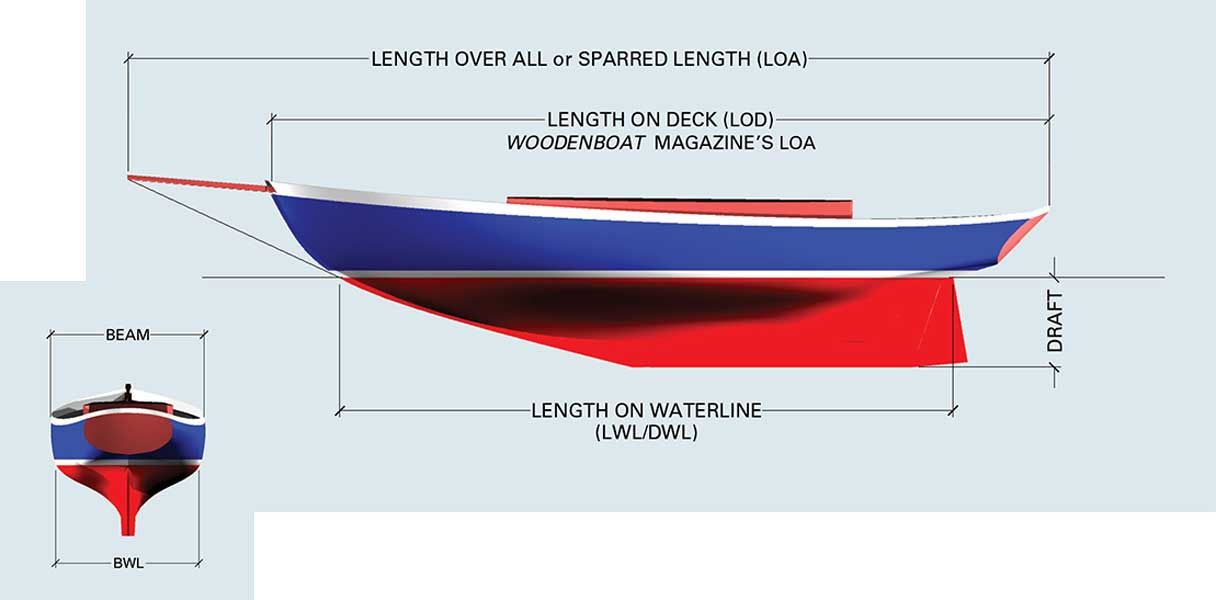
LOA (Length Overall) - overall length of the vesselThis is the distance between the furthest points of the yacht, including all protruding parts: the bow sprit, stern platforms, and other elements. LOA determines:
Marina mooring fees
The ability to dock at a specific berth
Applicable rules and restrictions
LWL (Length Waterline) - length at the waterlineThis is measured between the points where the hull meets the water's surface. This parameter affects:
Maximum speed of the vessel (every additional meter of LWL adds about 0.5 knots to the theoretical maximum speed)
Stability in waves
Fuel efficiency
DraftThe distance from the waterline to the lowest point of the keel. Determines:
Accessible water areas and routes
The ability to enter shallow bays
The behavior of the vessel in heavy seas
Practical Guide to Dimensions
When choosing a yacht, it is important to consider the planned cruising area. Here are some practical recommendations:
For the Mediterranean Sea:
LOA: 35-45 feet (10.7-13.7 meters) - optimal size for a comfortable family cruise
Draft: up to 2 meters - allows entrance to most picturesque bays
LWL: preferably not less than 32 feet (9.8 meters) for confident behavior in waves
For ocean crossings:
LOA: from 45 feet (13.7 meters) - provides necessary autonomy
Draft: from 2.2 meters - guarantees good stability
LWL: not less than 40 feet (12.2 meters) - important for maintaining speed in large waves
For those interested in exploring different regions, consider a yacht charter to experience various sailing environments.
Size Correspondence Table
For quick reference when choosing a yacht:
Size Selection Tips
Start smallThe optimal size for a first yacht is 35-40 feet (10.7-12.2 meters). Such a vessel is spacious enough for comfortable rest but still manageable by a crew of 2-3 people.
Consider ownership costsRemember that maintenance costs increase exponentially with the size of the vessel. Doubling the length can mean a fourfold increase in maintenance expenses.
Plan with a marginWhen choosing a mooring spot, add at least 20% to the LOA for maneuvering. A 40-foot (12.2 meters) yacht will require at least 15 meters at the dock. Exploring yachting courses can provide valuable skills for maneuvering your yacht effectively.
The Future of Marine Measurements
Despite the global shift to the metric system, the maritime industry remains faithful to feet due to tradition and practicality. However, modern technologies allow for easy conversion of measurement units:
Electronic chart plotters display data in any measurement system
Mobile apps instantly convert feet to meters
3D models of yachts feature dimensions in all popular units of measurement
Stay updated with the latest trends on the Navi.training blog.
Conclusion
Understanding marine measurements of length is an important step towards confident navigation. Whether you prefer to think in feet or meters, the key is to remember the practical implications of your vessel's size:
LOA determines your docking costs
LWL affects speed and seaworthiness
Draft limits available routes and anchorage
And remember: the size of the yacht should match not just your ambitions but also the real needs and capabilities of the crew. Grasp the basics of yachting to make informed decisions, and always be prepared to handle seasickness during your voyages.
Post Scriptum: Want to quickly master marine measurements? Remember the simple rule: your height in feet equals your height in centimeters divided by 30.48. Now you know what it means to be a "six-foot captain"!